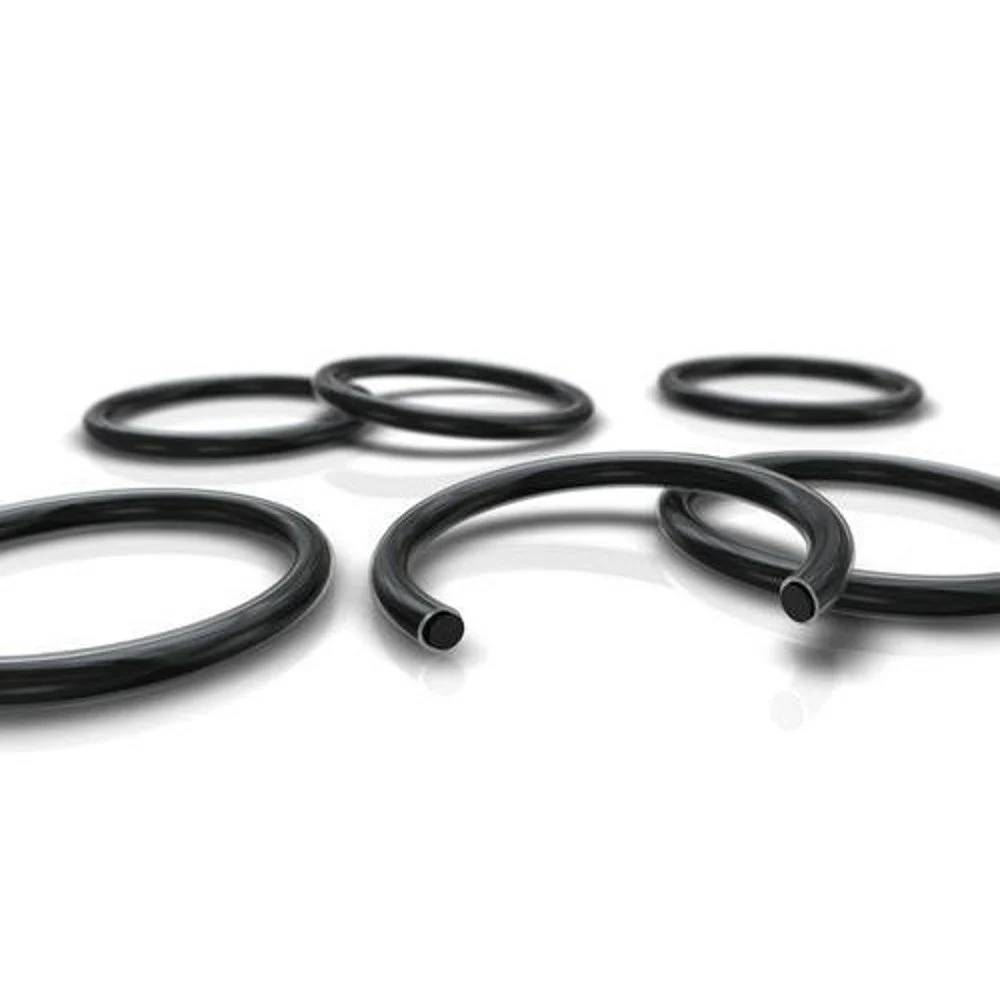
Fluorinated Ethylene Propylene Gaskets for Sanitary and Chemical Processes
FEP (Fluorinated Ethylene Propylene) O-Rings provide outstanding resistance to corrosive fluids, extreme ozone, and steam. While FEP is a thermoplastic fluoropolymer related to PTFE, it features a lower melt viscosity and is fully melt-processable, allowing for flawless extrusion and molding of solid, hollow, or encapsulated rings. FEP O-rings are highly valued for their extremely low coefficient of friction and excellent non-stick characteristics.
Micro Engineering supplies precision-molded FEP O-rings designed to bridge the gap between hard PTFE rings and soft elastomers. Our FEP rings feature exceptional dielectric properties, virtual chemical inertness to acids, alkalies, and organic solvents, and zero fluid contamination risks. These parameters are essential for sanitization-in-place (SIP) and clean-in-place (CIP) loops in dairy processing, breweries, and biopharm manufacturing.
Preferred sealing solution for chemical process piping, food and beverage dosing lines, and sanitary pharmaceutical piping.