Self-Lubricating Materials

Carbon & Graphite Products

Our Range of Carbon & Graphite

Click on an image to view it in full screen details.

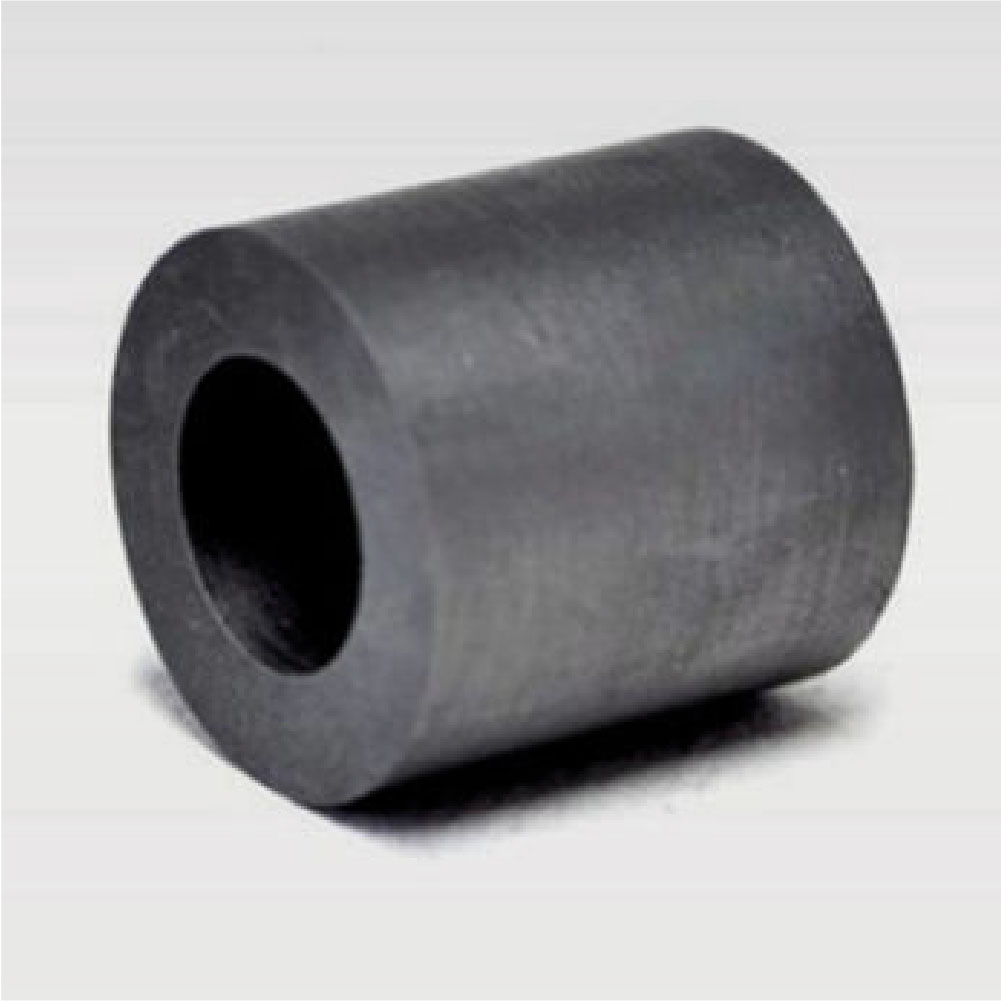
Carbon Graphite Carbon Bush
Carbon Bush
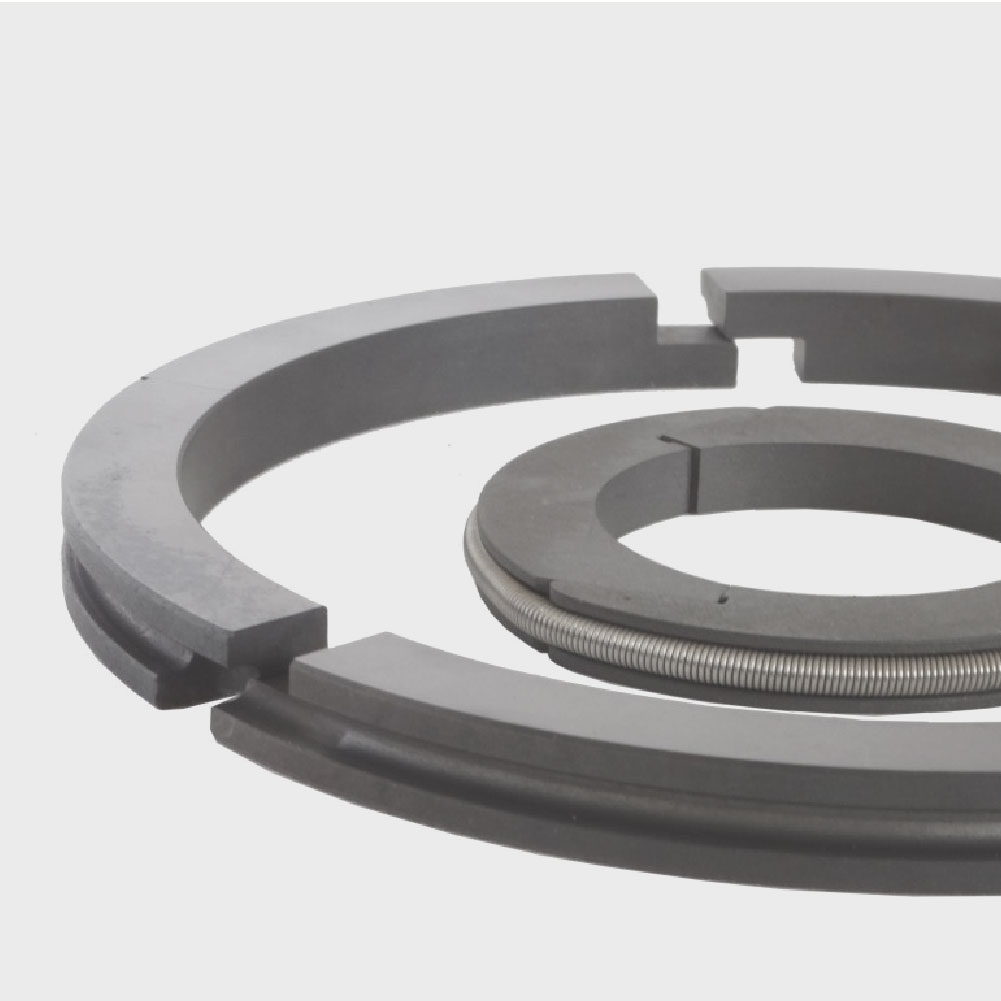
Segmental Carbon
Segmental Carbon
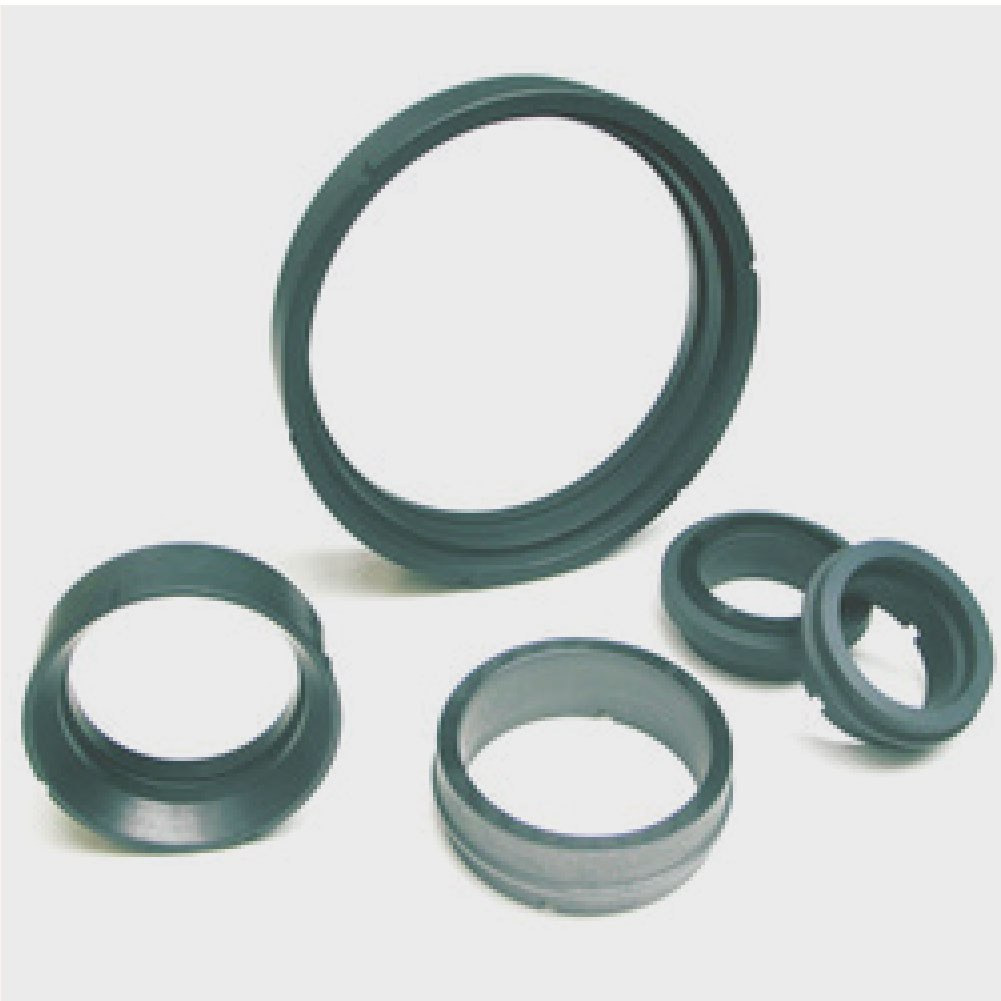
Sealing Rings
Sealing Rings

High-Performance Carbon & Graphite

Carbon-graphite compounds are engineered specifically for demanding sealing and bearing applications where liquid lubricants cannot be used or would break down. With their inherent self-lubricating characteristics, low dry friction coefficient, high thermal conductivity, and outstanding chemical resistance, carbon-graphite parts offer long-lasting dependability.

Micro Engineering manufactures custom-machined mechanical seal faces, bearings, thrust washers, segmented rings, and rotary joint faces. These are tailored in premium grades of **Resin-Impregnated Carbon** and **Antimony-Impregnated Carbon** to handle high-temperature steam, corrosive acids, hot oils, and vacuum conditions.

Highly recommended for dry-running agitator seals, high-temp steam rotary joints, hydrocarbon process pumps, and aircraft engine starters.

Mechanical Properties

  • Material Grade: Resin / Antimony Carbon
  • Shore D Hardness: 80 – 95
  • Max Temp (Air): 350°C / 600°C
  • Friction Coeff. (Dry): 0.10 – 0.15
  • Apparent Density: 1.70 – 2.65 g/cm³

Features & Benefits

Providing total reliability in dry-running and high-heat rotating systems.

Inherent Self-Lubrication

Graphite structure provides low-friction transfer films during boundary contact, eliminating the requirement for external oil or grease lubrication and preventing fluid contamination.

Wide Chemical Immunity

Chemically inert carbon base resists corrosive hydrocarbons, strong acids, alkaline solutions, and organic solvents, making it highly compatible across process fluids.

Extreme Thermal Stability

Retains mechanical strength and dimensional structure up to 350°C for resin grades and 600°C for antimony metal-impregnated grades in oxidizing environments.

Excellent Thermal Shock Resistance

High thermal conductivity combined with a low expansion coefficient prevents structural warping and cracking during rapid temperature spikes.

Engineering & Performance Factors

Comparing properties of Resin Impregnated and Antimony Impregnated Carbon grades.

Parameters Resin Impregnated Carbon Antimony Impregnated Carbon
Base Material Carbon Graphite Carbon Graphite
Impregnation Agent Phenolic / Furan Resin Antimony Metal (Sb)
Shore D Hardness 80 – 90 85 – 95
Max Temp (Oxidizing) 350°C (660°F) 600°C (1,110°F)
Apparent Density 1.70 – 1.85 g/cm³ 2.40 – 2.65 g/cm³
PV Limit (Load Capacity) Moderate (Standard utility duty) Very High (Heavy-duty high pressure)
Best Used For Chemical pump seal faces, agitator mixers, food/pharmaceutical processes. High-pressure hydrocarbon pipeline seals, rotary steam joint faces, aerospace turbine starters.

Typical Applications

High-reliability carbon elements installed across vital industrial setups.

01

Mechanical Seal Faces

Running against SiC or TC seats in centrifugal pumps, preventing chemical leakage in vacuum and volatile hydrocarbon services.

02

Carbon Bushings & Bearings

Installed inside submerged chemical pumps and process agitators where process fluid is corrosive and conventional oil would contaminate it.

03

Rotary Steam Joint Rings

High-temperature carbon joint rings installed in calendar roll steam joints in paper mills, textile drying cans, and rubber mixers.

04

Segmented Seal Rings

Dry-running segmented shaft seals equipped with garter springs used for steam turbines, compressor shafts, and industrial blowers.

Why Choose Our Carbon Spares?

Micro Engineering delivers ultra-precise carbon-graphite seals and bearings custom-machined to your exact specifications, offering robust performance in extreme thermal systems.

Custom Formulations

Tailored blending with resin, antimony, babbitt, or bronze impregnations to match chemical compatibility and PV requirements.

Helium Light Flatness

Lapping down to 1-2 helium light bands (0.3 - 0.6 microns) guarantees optimal containment of high-pressure process fluids.

Custom Molded & Machined

Extruded or molded blanks are precision turned on CNC lathes to exact drawings, ensuring absolute compatibility.

Quality Visual Inspection

100% dye-penetrant tested and visual check to eliminate potential surface porosity, micro-cracks, and internal defects.